
Sir Wajid Nawaz (Late)
Pakistan Studies Teacher
Late Sir Wajid Nawaz
The Gentleman Who Shaped Generations
A Teacher. A Mentor. A Leader. A Father Figure. A Legend.
“Some teachers teach subjects. Some prepare students for examinations. A rare few shape character, instill values, awaken confidence, and quietly transform lives. Those extraordinary individuals are remembered long after classrooms fall silent and generations have moved on. Late Sir Wajid Nawaz was one of those exceptional souls.”
There are names that belong to history, and there are names that become part of people’s hearts. For thousands of students who walked through the gates of Islamabad College for Boys, G-6/3—known in its earlier years as Islamabad Model School—the name Sir Wajid Nawaz is spoken not merely with respect, but with genuine affection, admiration, and gratitude. More than four decades after many of his students graduated, memories of him remain remarkably vivid. His smile, his voice, his dignified personality, his unwavering discipline, and his reassuring presence continue to live in countless conversations wherever ICBians gather around the world.
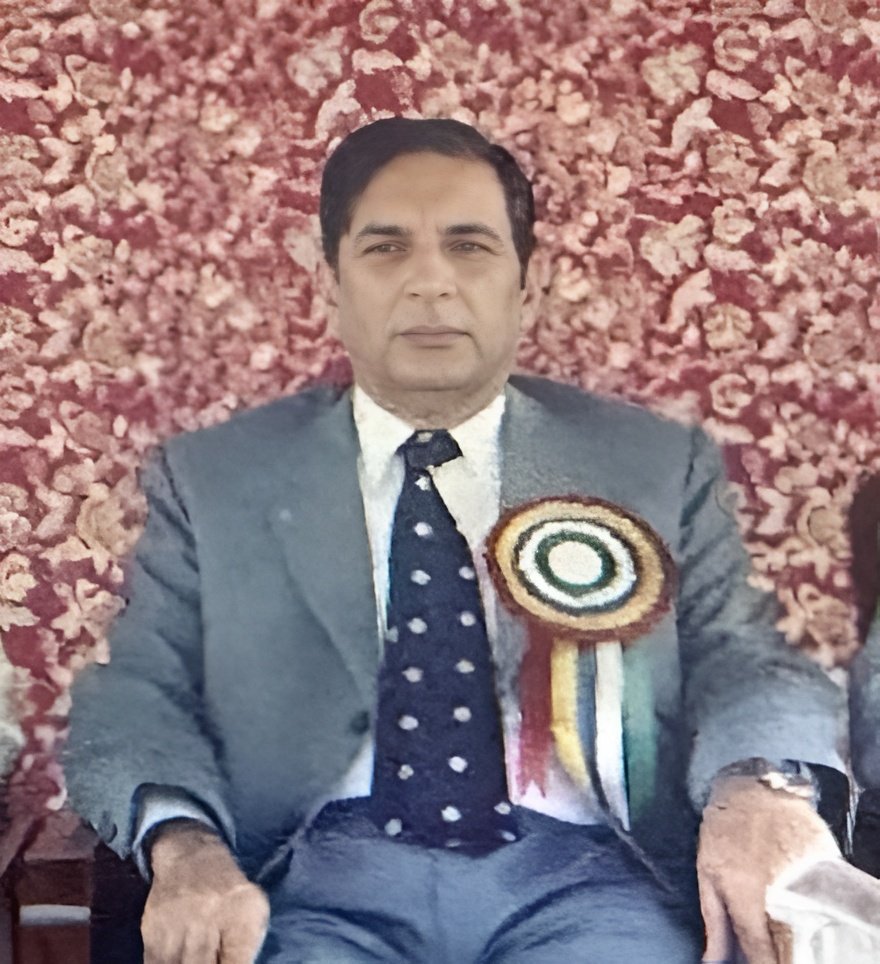
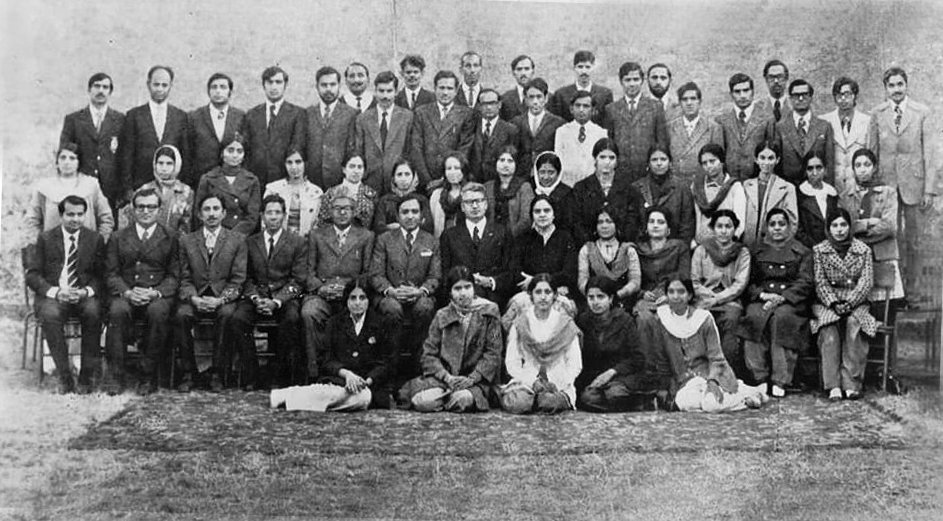
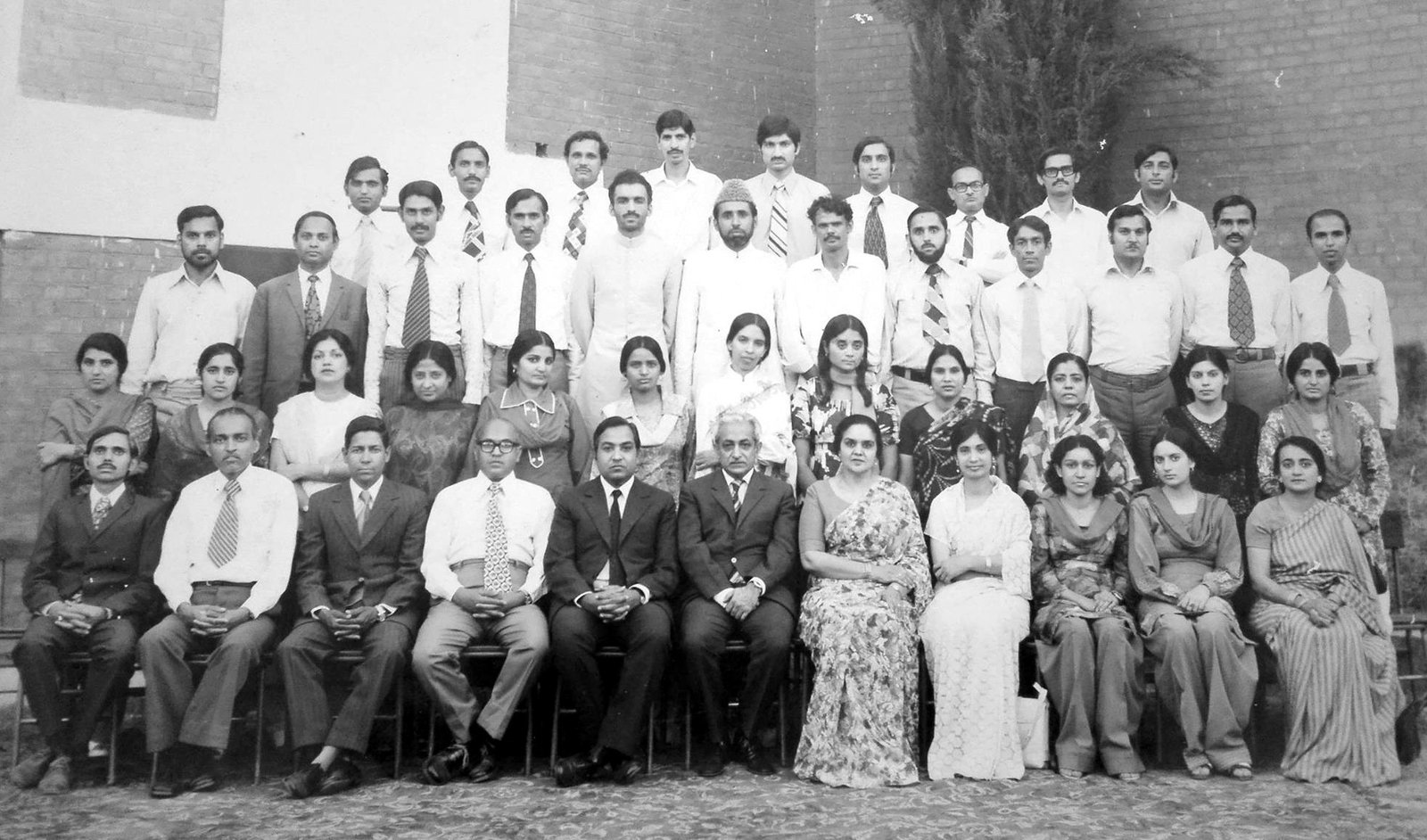
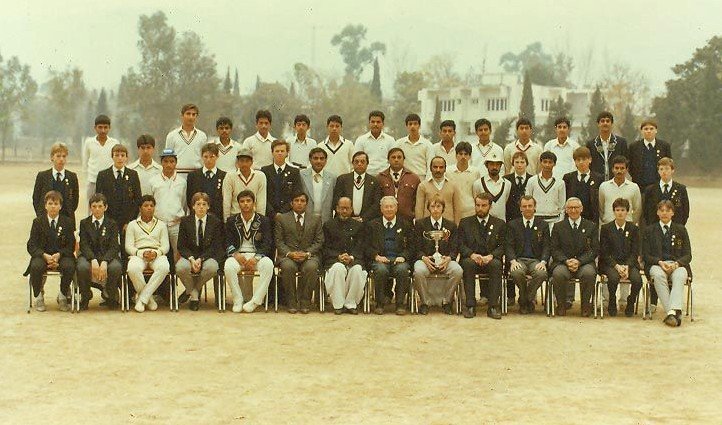
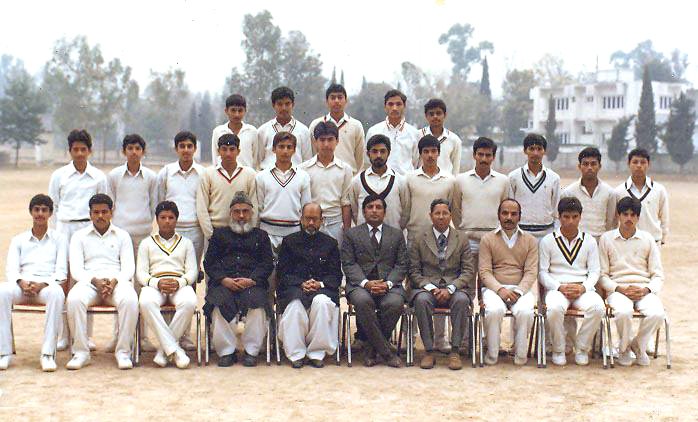
To describe him simply as a lecturer would be to tell only a fraction of his story. He was a mentor who saw potential where others saw ordinary students, a disciplinarian whose firmness was always tempered with compassion, an inspiring sportsman who built character through cricket, an eloquent speaker whose words commanded attention without demanding it, and above all, a fatherly figure whose influence extended far beyond the walls of the classroom. He possessed that rare ability to make every student feel seen, valued, and capable of achieving far more than they believed possible.
Every educational institution is blessed, from time to time, with personalities whose contributions transcend official designations and job descriptions. Their influence cannot be measured by years of service alone, but by the lives they touch and the values they leave behind. Sir Wajid Nawaz belonged to that distinguished fraternity of educators. His legacy was not built through publicity or personal ambition, but through quiet dedication, unwavering integrity, and an unshakeable commitment to the growth of young minds. He believed that education was never confined to textbooks, examinations, or report cards. To him, true education meant nurturing responsible citizens, confident leaders, compassionate human beings, and individuals who would carry honour and integrity into every walk of life.
Today, doctors, engineers, civil servants, judges, military officers, professors, entrepreneurs, diplomats, politicians, and professionals from every corner of the world proudly trace part of their personal journey back to the invaluable guidance they received from Sir Wajid Nawaz. Many openly acknowledge that a timely word of encouragement, a thoughtful conversation, or a lesson delivered with sincerity altered the course of their lives forever. Such is the enduring power of a truly great teacher.
Buildings evolve. Institutions expand. Curricula change. Generations graduate and move on. Yet certain individuals become inseparable from the very identity of an institution. For countless ICBians, Sir Wajid Nawaz is one such name. His story is not merely the biography of an educator—it is an integral chapter in the proud history of Islamabad College for Boys itself.
This tribute is offered with profound respect and heartfelt gratitude to a man whose life’s work continues to inspire long after his final lesson was taught.
Personal Profile
Full Name: Wajid Nawaz
Date of Birth: 22 December 1947
Place of Birth: Haripur, Hazara, Khyber Pakhtunkhwa, Pakistan
Profession: Educationist, Political Scientist, Mentor, Administrator, Sports Organizer
Years of Educational Service: More than three decades
Institution Most Fondly Associated With: Islamabad College for Boys, G-6/3 (formerly Islamabad Model School)
Early Life and Educational Journey
The Making of an Extraordinary Educator
Every remarkable teacher is first shaped by remarkable experiences. Long before he became one of the most admired educators in Islamabad, young Wajid Nawaz was a student whose own educational journey reflected determination, curiosity, resilience, and an unwavering commitment to excellence.
Born on 22nd December 1947 in the historic city of Haripur, nestled in the beautiful Hazara region of present-day Khyber Pakhtunkhwa, he grew up during the formative years of a newly independent Pakistan. It was a time when education was increasingly viewed as the foundation upon which the nation’s future would be built. Like countless young Pakistanis of his generation, he embraced learning not merely as a means of personal advancement but as a lifelong responsibility.
His early education took him through several towns, including Haripur, Nowshera, Abbottabad, and Swabi. Each institution, each classroom, and each teacher added another layer to the character that would later inspire thousands of students. Moving between different educational environments exposed him to diverse cultures, communities, and perspectives, broadening his understanding of people and strengthening the adaptability that would later become one of his defining qualities as an educator.
His academic excellence eventually earned him admission to the prestigious Edwards College, Peshawar, one of the oldest and most respected institutions of higher learning in the region. Known for producing distinguished scholars, administrators, military officers, and public servants, Edwards College provided an environment that challenged students intellectually while nurturing leadership, discipline, and public service. It was here that his passion for political science, governance, and civic responsibility flourished.
In 1971, he completed his Master of Arts in Political Science from the University of Peshawar, equipping himself with a deep understanding of political institutions, constitutional development, international affairs, and public administration. Those who later attended his lectures often recalled that he possessed the remarkable ability to transform complex political concepts into engaging discussions, making learning both enjoyable and intellectually stimulating. His classes were never confined to the prescribed syllabus; they encouraged students to think critically, ask questions fearlessly, and understand the responsibilities that accompany citizenship.
Recognising his exceptional academic calibre, Sir Wajid Nawaz appeared in the highly competitive Central Superior Services (CSS) examination during 1972–73. At a time when the CSS represented one of Pakistan’s most prestigious career paths, he successfully cleared its demanding competitive stages with distinction. Yet, despite his impressive performance, the implementation of the newly introduced quota system meant that he narrowly missed final selection.
For many, such an outcome would have been a heartbreaking disappointment. It might have been viewed as the closing of a dream. Yet life often reveals its greatest wisdom only in hindsight. What initially appeared to be a setback quietly became the turning point that shaped the destiny of thousands of young Pakistanis. Had he entered the civil service, he might have served the nation with distinction from an office. Instead, destiny entrusted him with an even greater mission—to serve the nation by shaping its future, one student at a time.
It is often said that history is changed not only by those who govern nations, but also by those who educate the people who will one day govern them. In Sir Wajid Nawaz’s case, that observation could not have been more fitting. His classroom would become his ministry, his students his greatest achievement, and education his lifelong calling.
That defining opportunity arrived in 1974, when he joined Islamabad College for Boys, G-6/3, then known as Islamabad Model School. It was an appointment that seemed ordinary at the time, but would ultimately become one of the most significant chapters in the institution’s proud history. Neither the college nor the thousands of young boys who would pass through its corridors could have imagined that they were welcoming an educator whose influence would continue to be celebrated decades after his retirement.
The teacher had arrived.
The legend was only beginning.
The Golden Years at ICB
The Educator Who Became an Institution
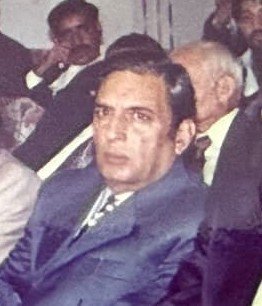
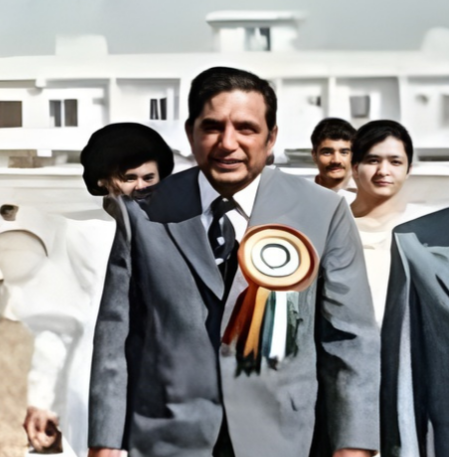
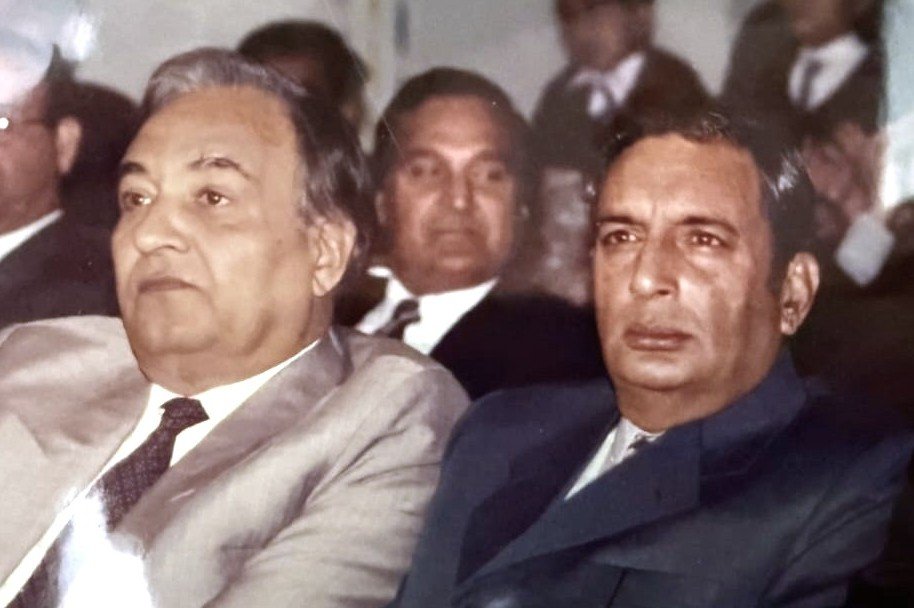
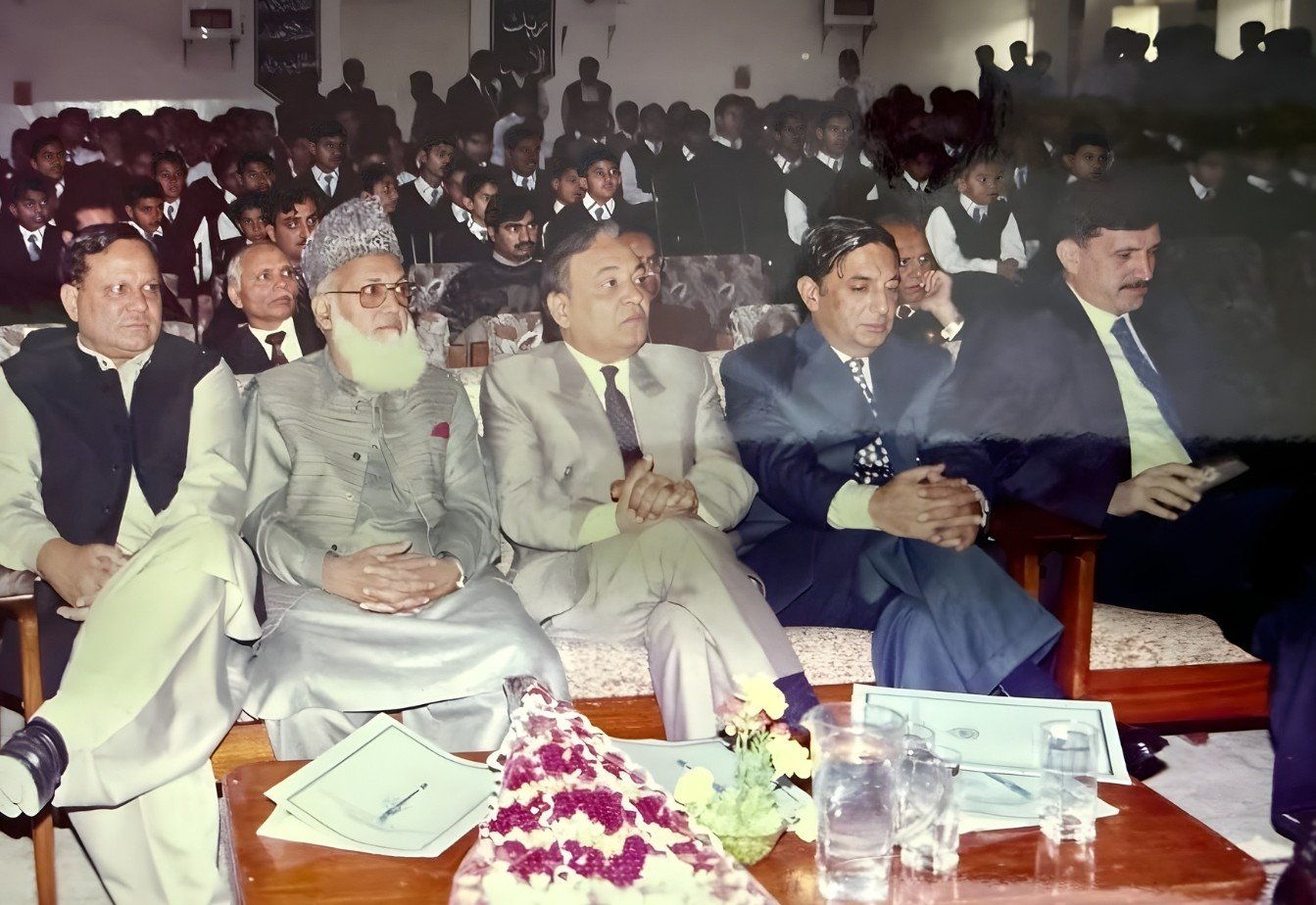
When Sir Wajid Nawaz joined Islamabad College for Boys, G-6/3 in 1974—then known as Islamabad Model School—he stepped into what would become far more than a workplace. Over the years, the institution became his second home, and its students became an extended family. What began as the appointment of a young Political Science lecturer gradually evolved into one of the most admired and influential educational journeys in the history of ICB.
For more than two remarkable decades, Sir Wajid devoted himself wholeheartedly to the college. His contribution was never confined to delivering lectures or completing the academic calendar. He immersed himself in every aspect of college life, believing that education was a living experience rather than a classroom routine. He taught with conviction, led with integrity, coached with passion, and mentored with genuine compassion. To him, every day at ICB was another opportunity to shape not only educated minds but upright, confident, and responsible young men.
Those who had the privilege of studying under him often remark that he never appeared to be performing a job. Teaching was not merely his profession—it was his calling. There was a quiet sense of purpose in everything he did, whether he was delivering a lecture, supervising a sports practice, presiding over a college function, or simply walking through the corridors. His commitment was evident not in grand gestures but in the consistency with which he invested his time, energy, and heart into the lives of his students.
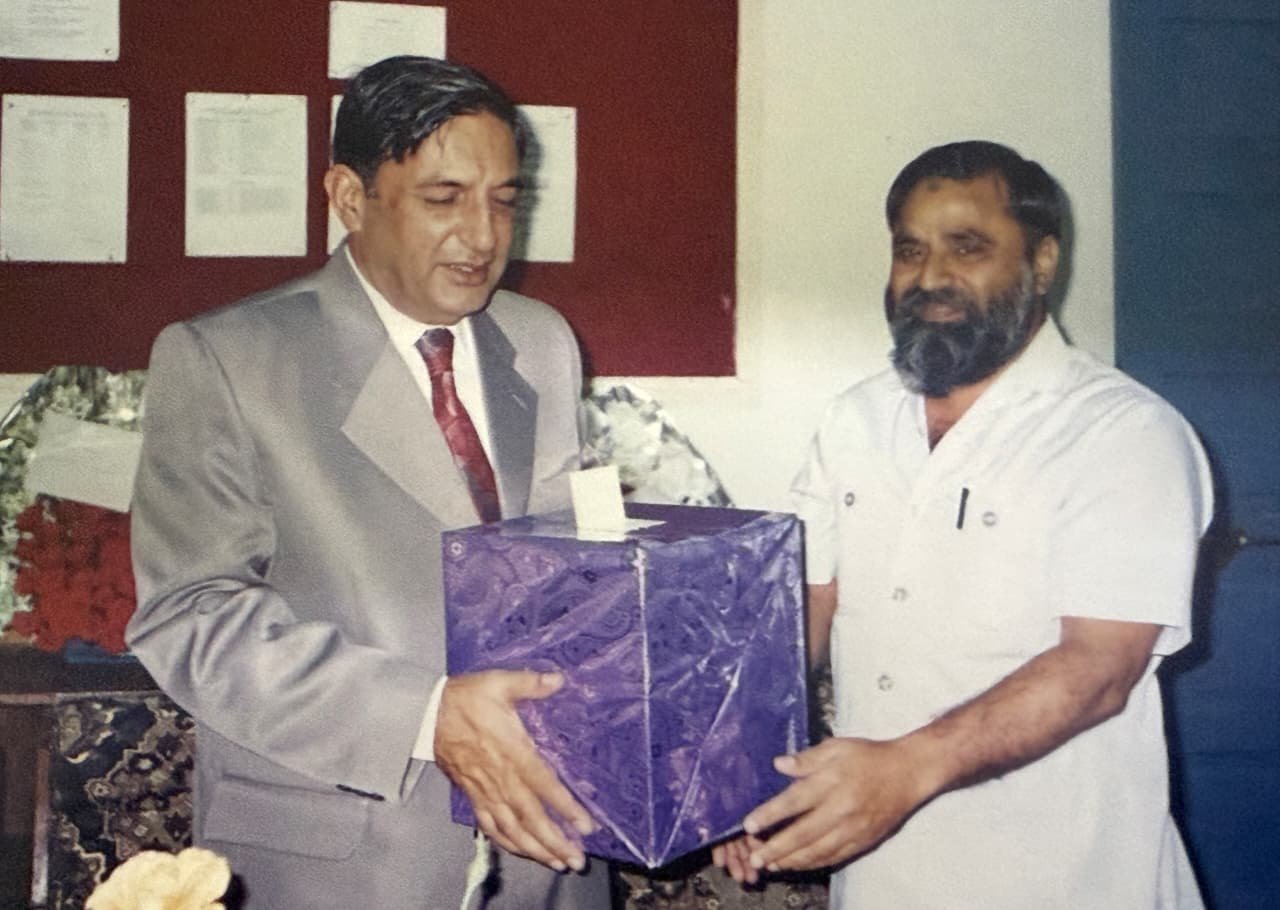
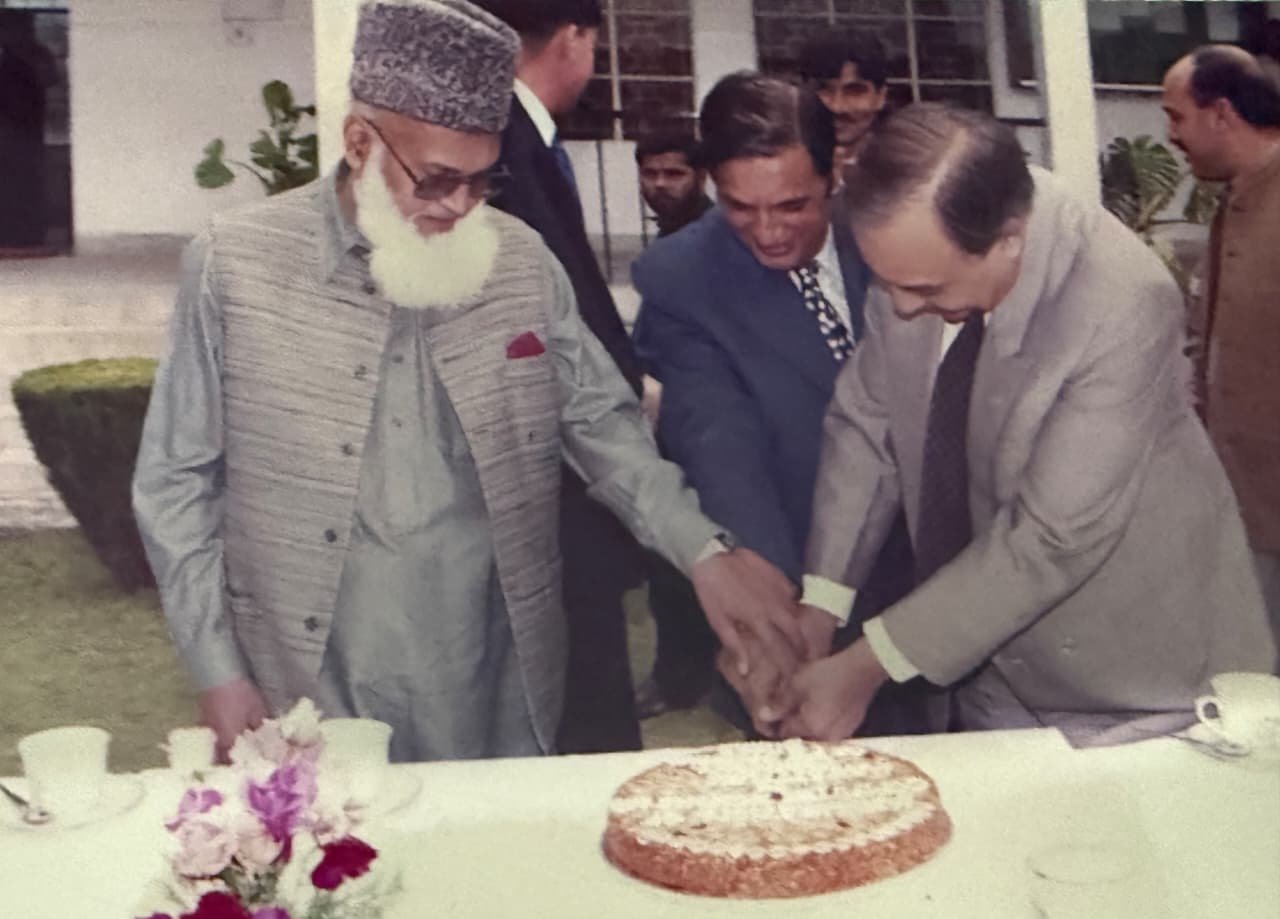
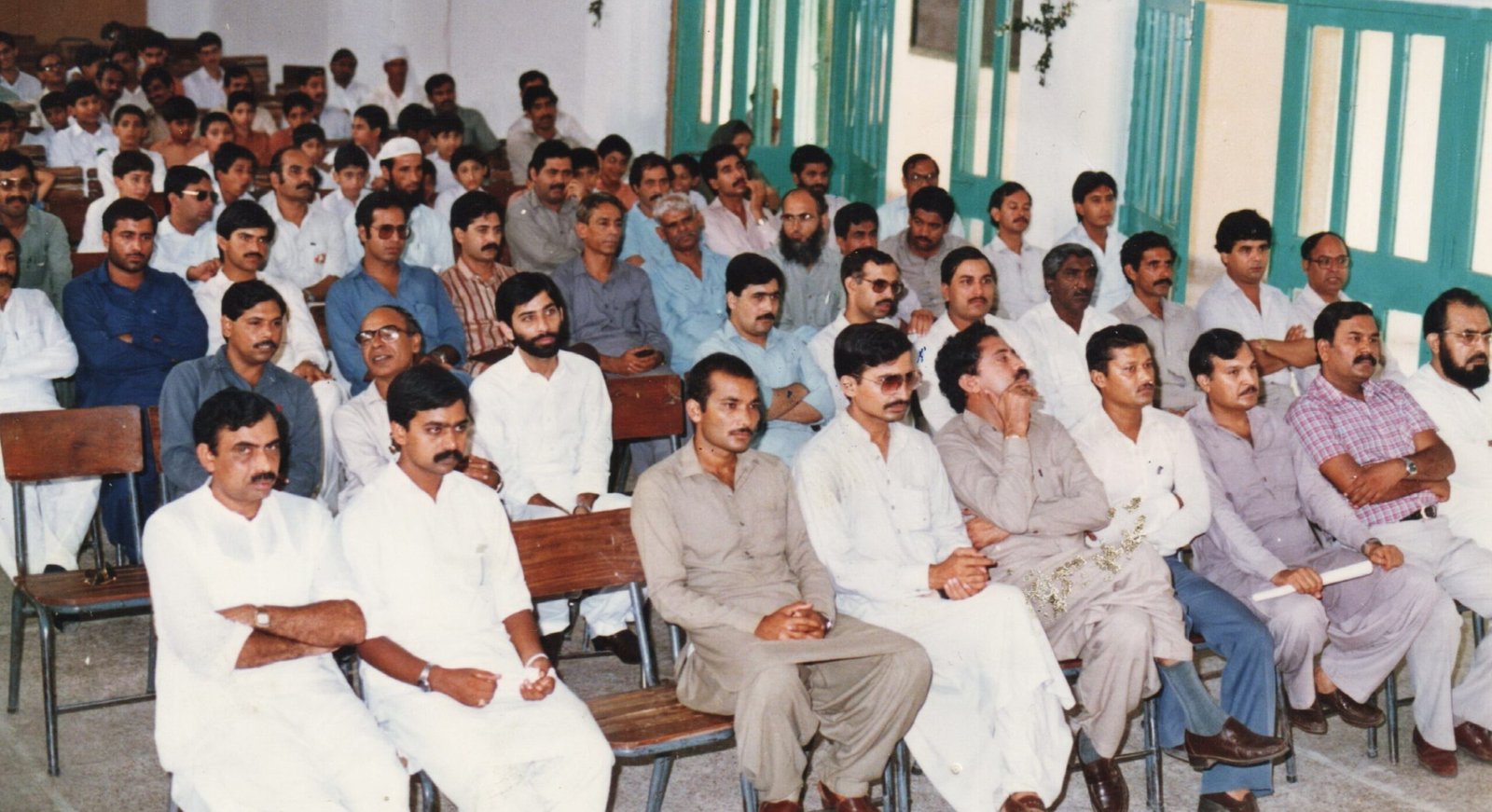
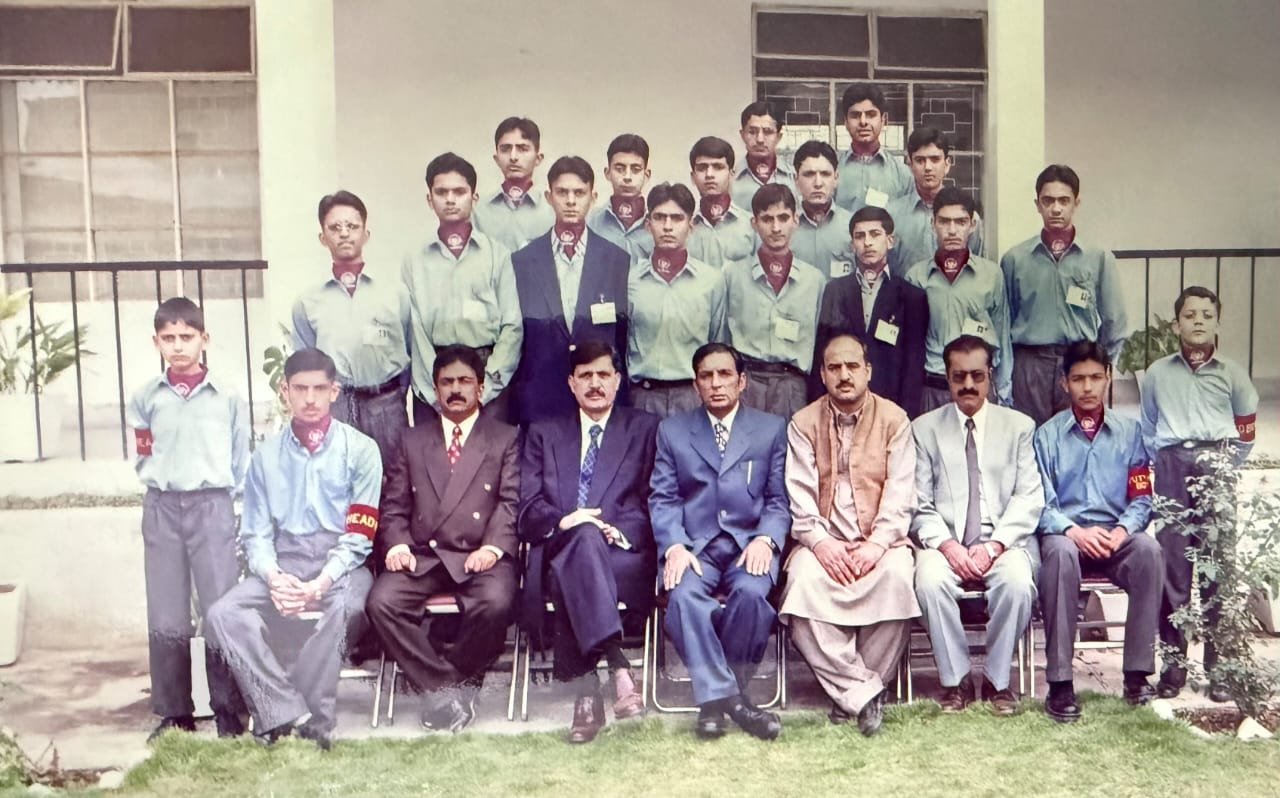
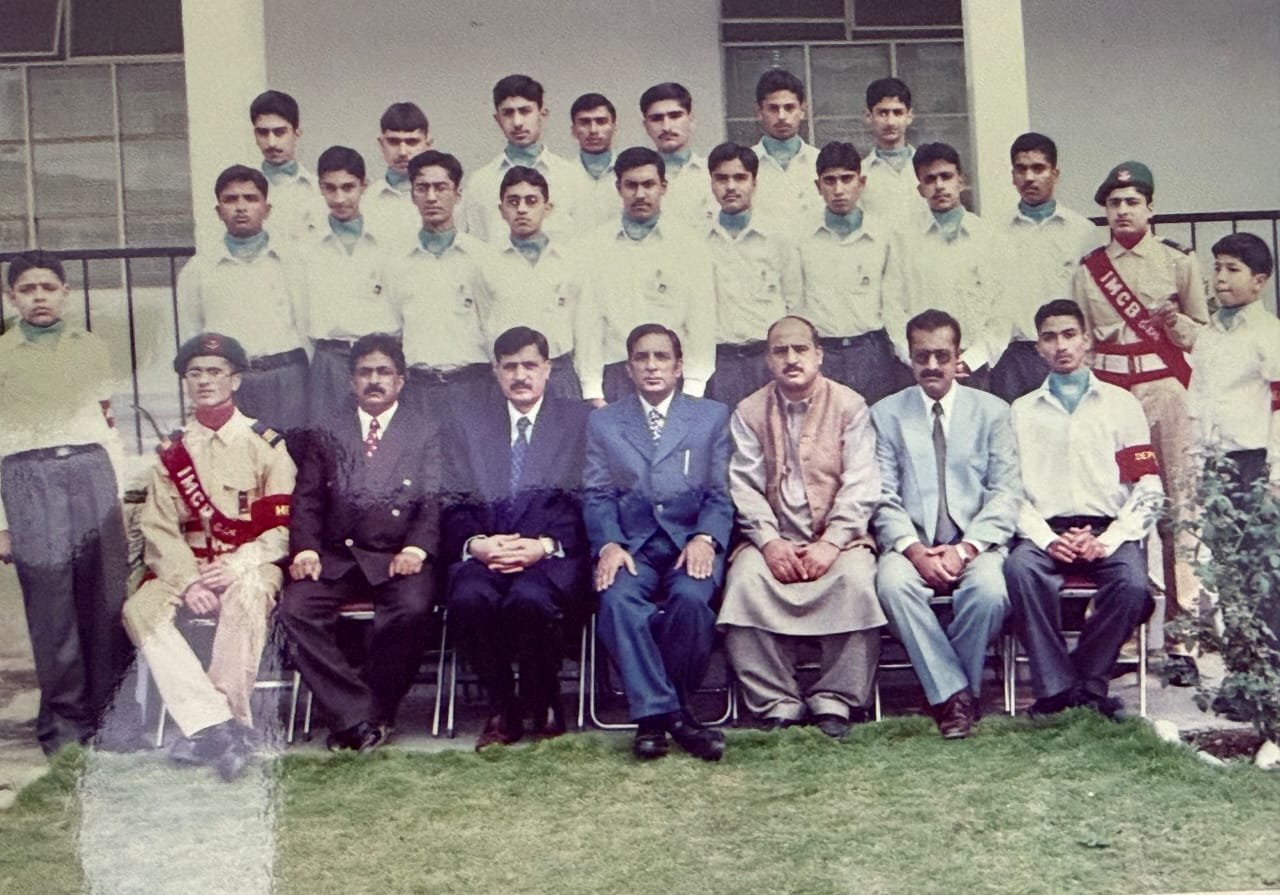
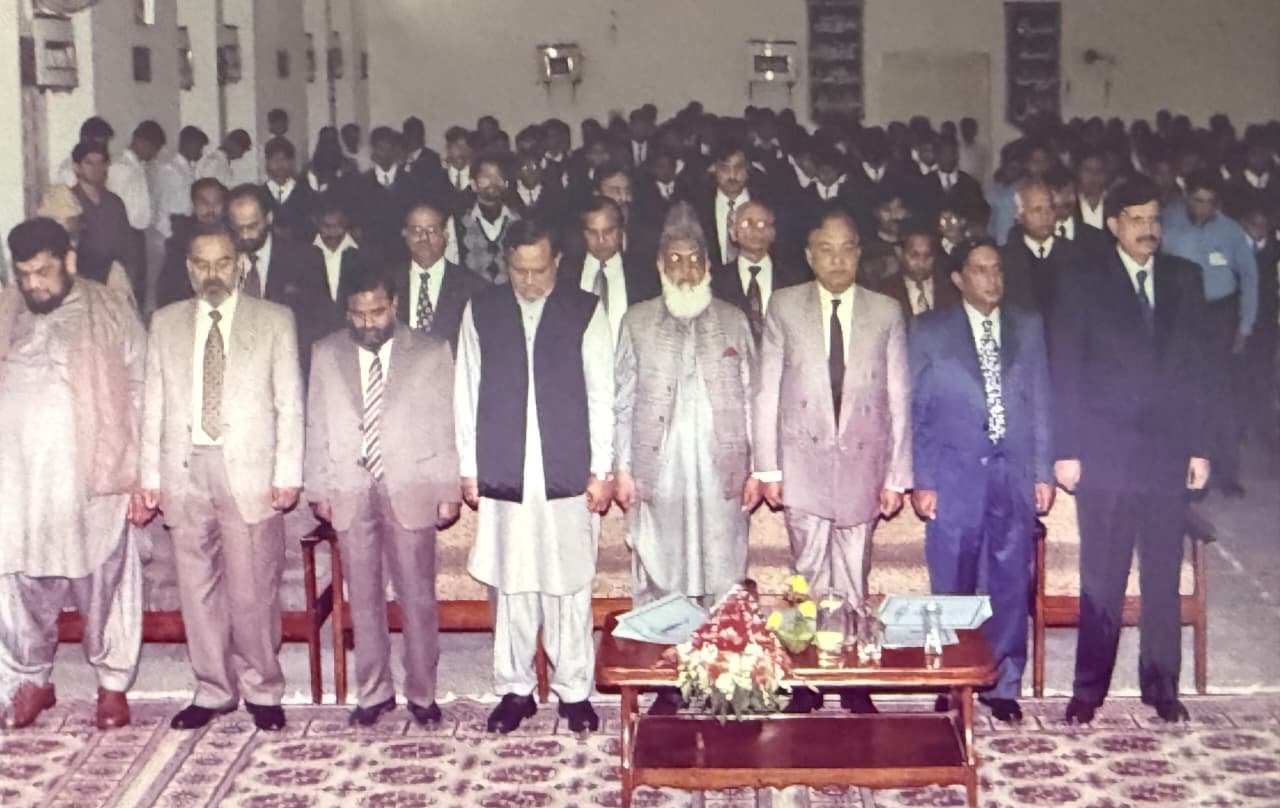
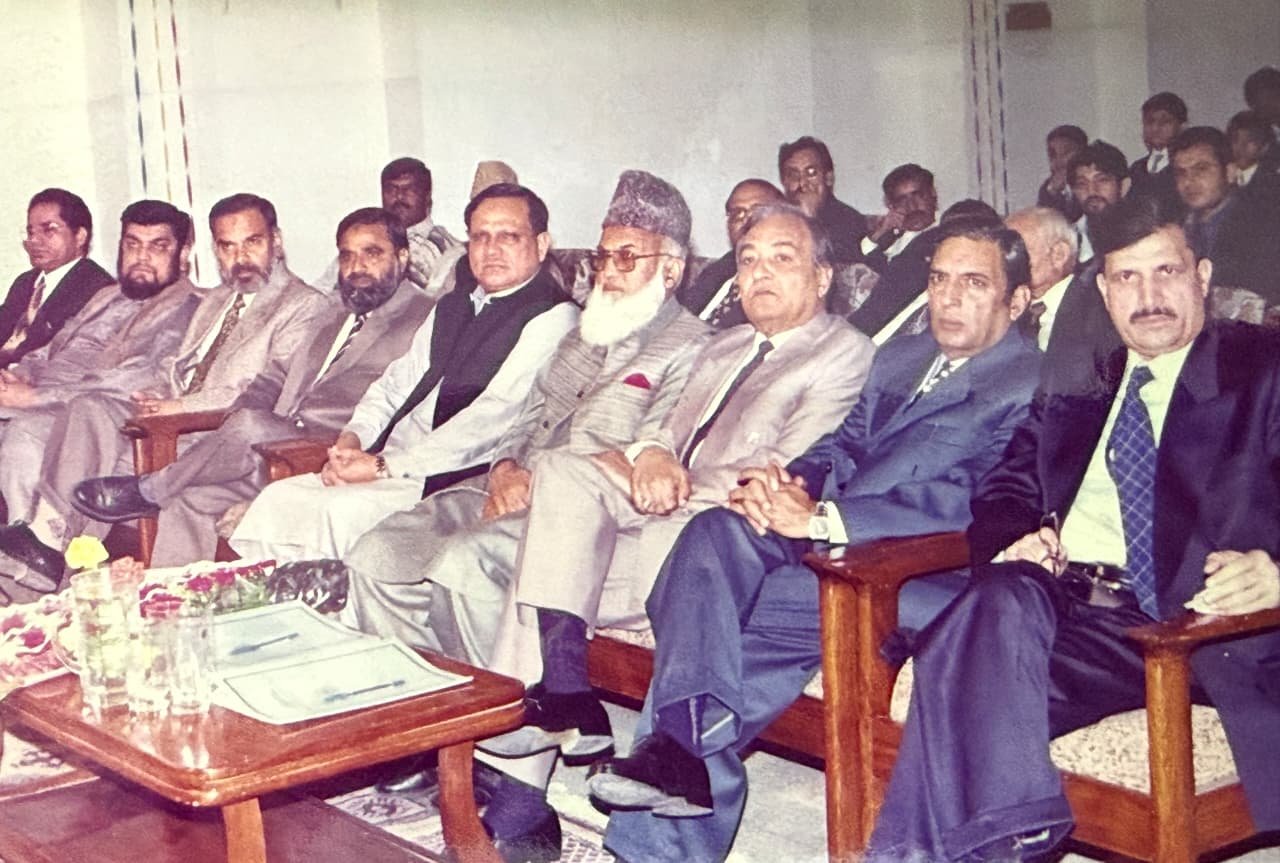
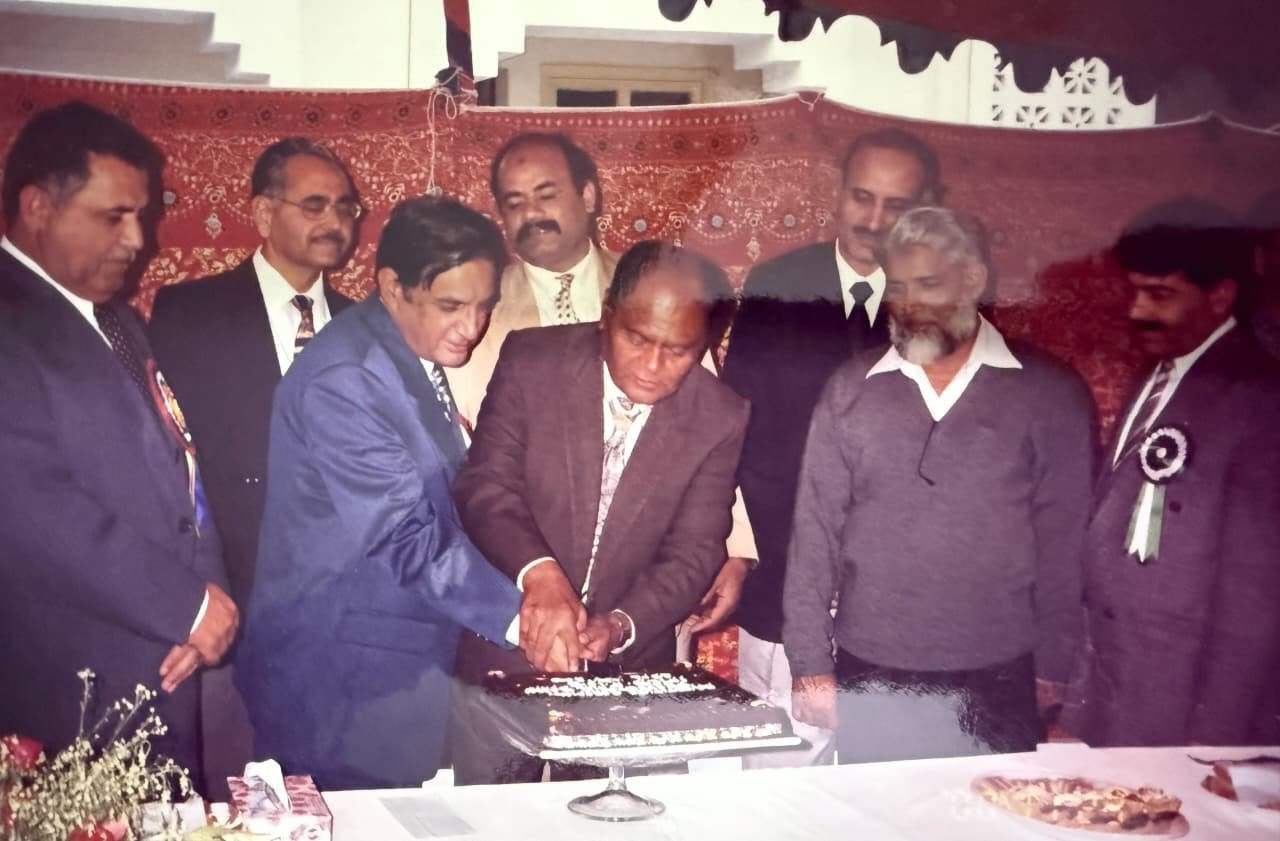
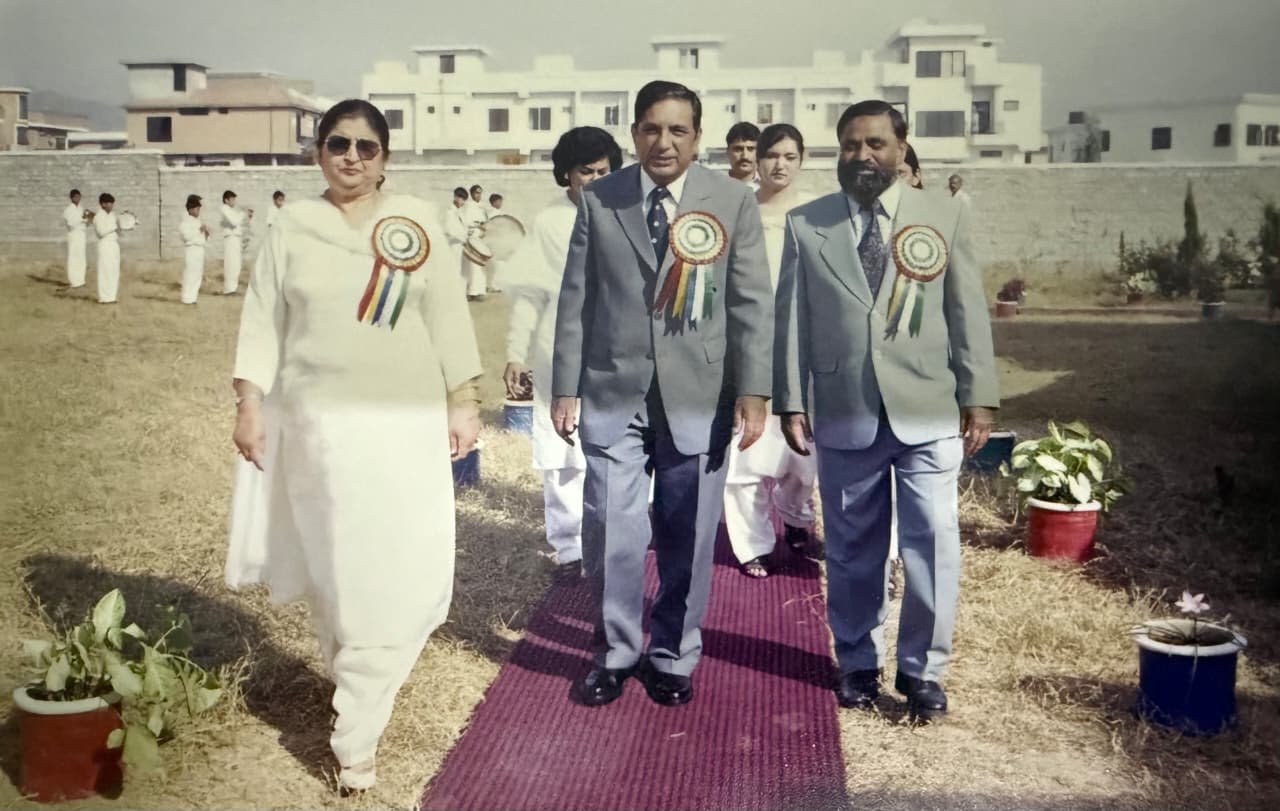
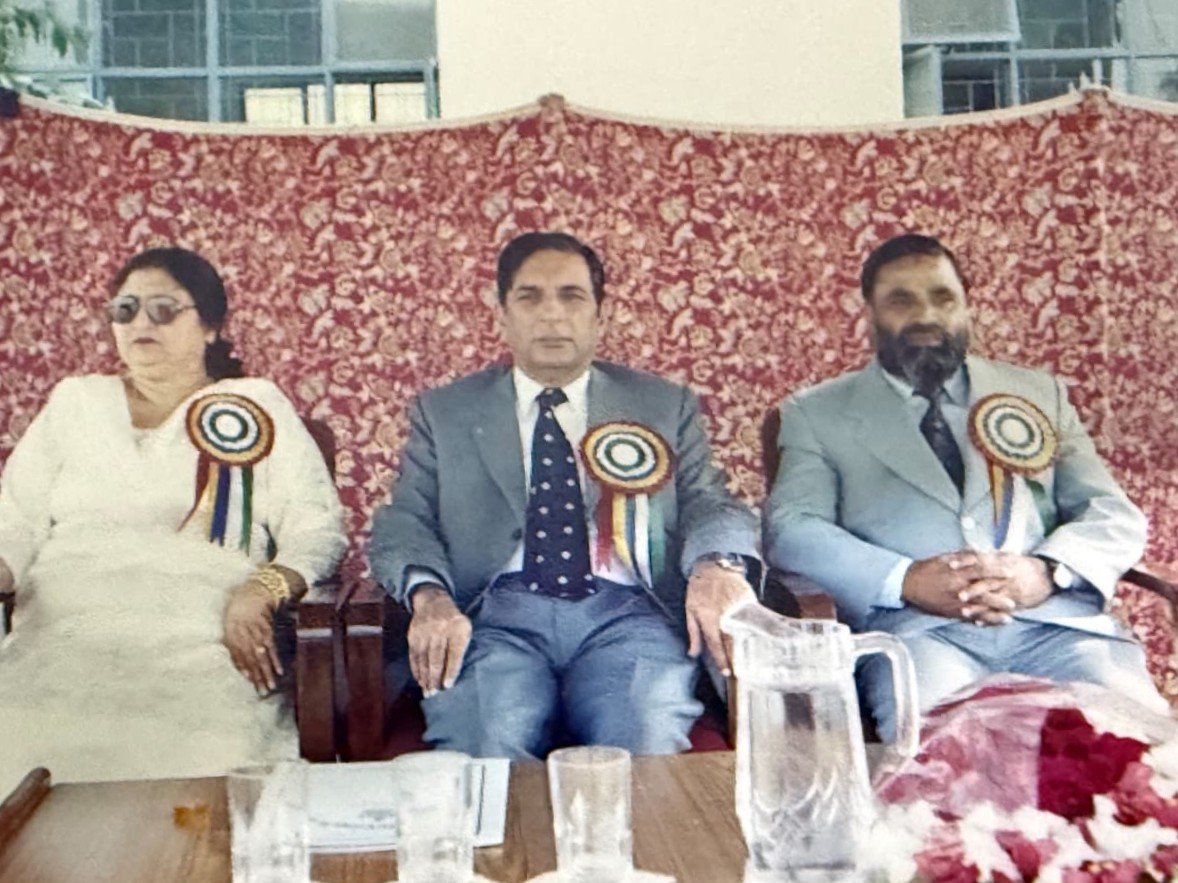
During his years at ICB, the college flourished as a centre of academic excellence, sporting achievement, cultural activities, and leadership development. Sir Wajid was one of the principal architects of that vibrant environment. He believed that a truly successful institution should produce not only students who excelled in examinations but also individuals capable of leading society with integrity, wisdom, confidence, and humility.
The Architect of Character
Every educator leaves behind students. Great educators leave behind values.
Sir Wajid Nawaz belonged to the latter category.
He understood that knowledge alone could never guarantee success. Intelligence without integrity, ambition without compassion, or achievement without humility could never build a meaningful life. Consequently, he viewed education as the development of the whole individual. Academic excellence certainly mattered, but so did honesty, punctuality, discipline, respect for others, teamwork, courage, and personal responsibility.
His students quickly learned that discipline was never about fear. It was about self-respect.
Punctuality was not simply arriving on time.
It reflected respect for other people’s time.
Neatness was not merely appearance.
It demonstrated self-discipline.
Respect for teachers was not obedience.
It was gratitude for those who devoted their lives to education.
Competition was not about defeating others.
It was about becoming a better version of oneself.
These lessons were rarely written on a blackboard, yet they became some of the most valuable education his students ever received.
Many former ICBians later discovered that these principles served them far more effectively in life than any textbook could have done. Whether they entered medicine, engineering, the armed forces, the civil service, academia, business, or public life, they carried with them the invisible foundation Sir Wajid had helped build.
That, perhaps, was his greatest classroom.
The Father Figure Every Student Needed
Ask an ICBian from the late 1970s or the 1980s to describe Sir Wajid Nawaz, and before they mention his lectures, his cricket coaching, or his administrative abilities, they often say something far more meaningful:
“He was like a father to us.”
Few compliments can honour a teacher more profoundly.
His discipline was firm, but it was never harsh. His expectations were high, but they were always accompanied by encouragement. He corrected mistakes without humiliating students and praised success without creating arrogance. He understood that every young person carried unseen struggles, dreams, fears, and uncertainties. Behind every roll number was a human being waiting to be understood.
His office was never a place students approached with fear. It was a place where problems found patient listeners and confusion found wise counsel. Whether a student faced academic difficulties, family concerns, financial challenges, or simply needed guidance, Sir Wajid made time to listen. He believed that before a teacher could educate a student, he had to understand him.
Many former students still remember walking into his office burdened with anxiety and walking out with renewed confidence. Sometimes the solution was practical advice. At other times, it was simply a reassuring conversation, a kind smile, or a few sincere words that reminded a young student never to lose faith in himself.
Years passed.
Students graduated.
Careers flourished.
Families were raised.
Yet decades later, those brief conversations remained among their most treasured memories.
That is the enduring influence of an educator who cared not only about academic performance but also about the human beings sitting before him.
A Presence That Commanded Respect
Some individuals demand respect because of the authority they hold.
Others earn it through the character they display.
Sir Wajid Nawaz belonged unmistakably to the second category.
He carried himself with quiet confidence, remarkable dignity, and impeccable professionalism. His calm demeanour, measured speech, graceful manners, and unwavering fairness naturally inspired respect. Students stood a little straighter when he entered a room—not because they feared punishment, but because they admired the man before them.
He believed that authority was most effective when exercised with fairness. Every student was treated equally, regardless of background, academic standing, or personal circumstances. Favouritism had no place in his philosophy of education. Excellence was rewarded, effort was encouraged, and mistakes were corrected with justice rather than prejudice.
His integrity became one of his defining characteristics. Students knew that his decisions were guided not by convenience or popularity but by principle. This consistency created an atmosphere of trust. His word carried weight because it was always rooted in honesty.
Leadership, in his eyes, was never about position. It was about setting an example worthy of being followed.
The Classroom Beyond Four Walls
Although Sir Wajid Nawaz was a distinguished lecturer in Political Science, his influence was never confined to textbooks or examinations. Every interaction became an opportunity to teach.
A walk across the college grounds might become a lesson in courtesy.
A sports fixture could become a lesson in teamwork.
A debate competition might become a lesson in confidence and respectful disagreement.
An assembly could become a lesson in discipline.
Even casual conversations in the corridors often carried quiet wisdom that students remembered long after they had forgotten the details of their academic syllabus.
He encouraged students to ask questions rather than memorise answers. He wanted them to think independently, analyse critically, and develop opinions supported by reason rather than assumption. In an era when rote learning often dominated classrooms, this approach distinguished him as an educator who prepared students not merely for examinations but for life.
He frequently reminded students that education was a lifelong journey. Degrees might open doors, but character determined how far one would ultimately go.
Looking back today, many former ICBians realise that some of the most valuable lessons they received from Sir Wajid were never included in the curriculum. They were quietly woven into everyday moments—moments that seemed ordinary then but became extraordinary with the passage of time.
As the years unfolded, Sir Wajid Nawaz became more than a respected lecturer. He became one of the defining personalities of Islamabad College for Boys. His influence could be felt in classrooms, on the sports fields, in assemblies, at cultural events, and in the countless personal interactions that shaped generations of young men.
For many, he was not simply part of ICB.
He was ICB.
Beyond the Classroom
Where Lessons Became Lifelong Memories
There are teachers whose influence ends when the classroom door closes. Then there are those rare educators whose presence can be felt in every corner of an institution—in its playgrounds, assembly halls, debating societies, annual functions, educational tours, and in the countless memories that students carry with them for the rest of their lives.
Sir Wajid Nawaz belonged unquestionably to the latter.
For him, education was never confined to four walls, a chalkboard, or a prescribed syllabus. Every experience was an opportunity to teach. Every event was an opportunity to inspire. Every student possessed untapped potential waiting to be discovered. He believed that some of life’s greatest lessons were learned not while sitting behind a desk, but while standing beside teammates, addressing an audience, travelling with classmates, or facing the challenges that lay beyond the familiar surroundings of the college campus.
It was this philosophy that made him one of the most beloved personalities in the history of Islamabad College for Boys. Whether students encountered him in the classroom, on the cricket ground, during an annual function, or on an educational tour through the breathtaking valleys of northern Pakistan, they encountered the same man—disciplined yet approachable, dignified yet warm, demanding yet deeply caring.
His influence knew no boundaries because his classroom had no boundaries.
The Heartbeat of ICB Cricket
For generations of ICBians, it is impossible to speak of cricket at the college without remembering Sir Wajid Nawaz. His name became so closely associated with the sport that, for many students, the cricket ground was where they came to know him best.
Long after the final school bell had rung and many classrooms had emptied, another chapter of the day was just beginning. While others returned home, Sir Wajid could often be found on the college grounds, patiently supervising practice sessions, observing every player’s technique, offering guidance, and encouraging students to push themselves beyond what they believed possible.
These were not casual practice sessions. They reflected the discipline and structure of a professional training environment. Every exercise had a purpose. Every drill carried a lesson. Every match became an opportunity to learn not only the technical aspects of cricket but also the values that define true sportsmanship.
To Sir Wajid, cricket was never simply about runs, wickets, or trophies.
It was about discipline.
It was about patience under pressure.
It was about teamwork before individual glory.
It was about respecting opponents, accepting defeat with dignity, and celebrating success with humility.
Above all, it was about building character.
He understood something that many educators overlook—that a young person’s confidence is often discovered outside the classroom. A shy student might find his voice while captaining a team. A struggling student might discover resilience after overcoming defeat. A talented player might learn humility through sport before carrying that lesson into adulthood.
Sir Wajid recognised these moments instinctively.
He celebrated effort as much as achievement.
He corrected mistakes without discouraging ambition.
He expected commitment, but he never withheld encouragement.
Students responded because they knew they were playing for someone who genuinely believed in them.
Years later, former cricketers still speak of those evenings on the college ground with unmistakable affection. They remember the sound of leather striking willow, the spirited discussions after practice, the laughter shared among teammates, and above all, the reassuring figure of Sir Wajid Nawaz watching quietly from the boundary, offering guidance with the calm confidence that became his hallmark.
For many of those students, the cricket ground became their second classroom—and Sir Wajid Nawaz remained their greatest coach in both sport and life.
The Voice That Inspired a Generation
If the cricket field revealed one dimension of Sir Wajid’s personality, the college stage revealed another.
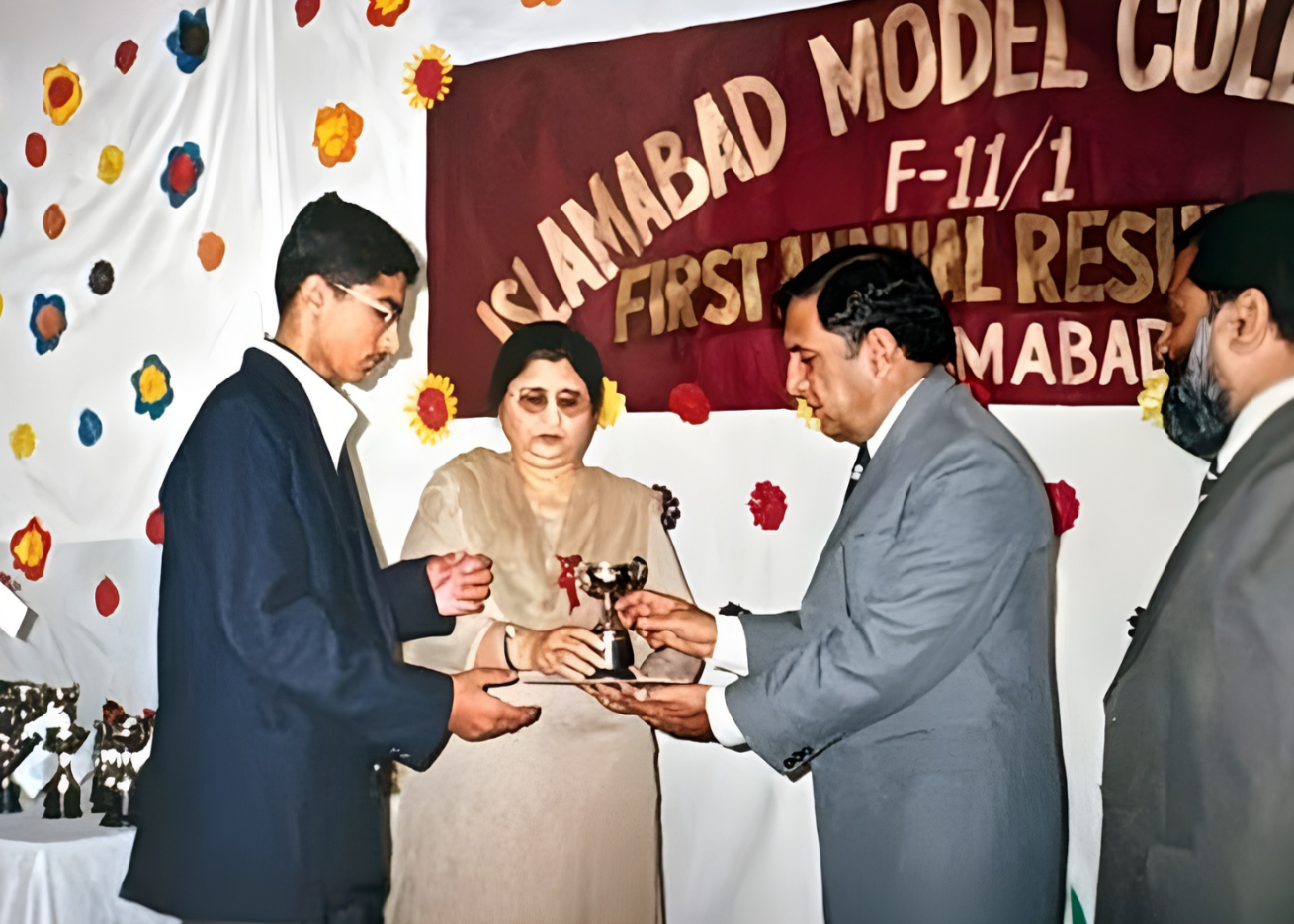
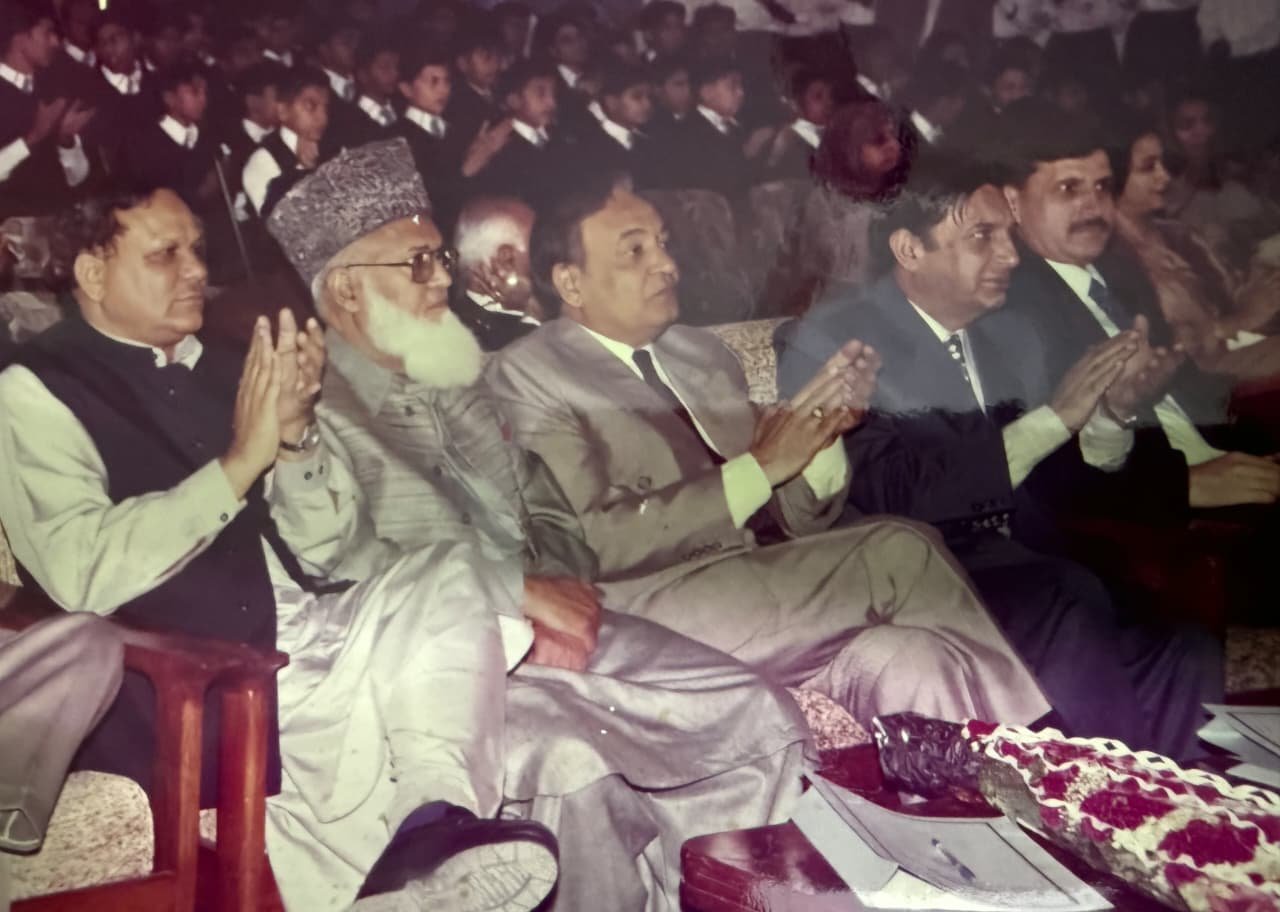
He possessed an exceptional command of language and a remarkable gift for public speaking. Whether conducting an annual function, introducing distinguished guests, announcing prize distributions, or addressing hundreds of students during major events, he spoke with confidence, clarity, and effortless grace.
His words were never loud, yet they always reached every corner of the hall.
His authority never relied on intimidation.
It flowed naturally from the respect he had earned.
Students listened because his speeches carried substance. They were thoughtful without being complicated, inspiring without being theatrical, and dignified without sounding distant. He knew how to command attention, how to create an atmosphere of occasion, and how to represent the college with elegance and professionalism.
As Stage Secretary, he became one of the defining faces of countless memorable events at ICB. Parents, guests, teachers, and students alike looked forward to seeing him at the podium, knowing that every programme would be conducted with precision, composure, and impeccable organisation.
Many former students still remember not only what he said, but how he made them feel—encouraged, confident, and proud to belong to an institution led by educators of such remarkable calibre.
The House Master Who Built Leaders
Within the proud traditions of ICB, the House System has always been about much more than inter-house competitions. It nurtured teamwork, leadership, healthy rivalry, and a sense of belonging that remained with students long after graduation.
As House Master of Sir Syed House and later Iqbal House, Sir Wajid Nawaz became one of the strongest pillars of that tradition.
He expected his students to compete with determination, but never at the expense of fairness or integrity. Winning was important, yet honour was even more important. Success earned through discipline, preparation, and teamwork was meaningful; victory achieved by compromising one’s values was not.
His houses became known not merely for their competitiveness, but for their organisation, discipline, sportsmanship, and unity. Students worked harder because they wanted to justify the confidence he placed in them. They learned that true leadership meant serving others, encouraging teammates, and setting an example through personal conduct.
Many who later assumed positions of leadership in government, the armed forces, academia, business, and public service would often discover that the first lessons in leadership had not been learned in boardrooms or universities, but while representing their house under the watchful guidance of Sir Wajid Nawaz.
The Legendary Naran Tours
Every generation of ICBians has its own unforgettable stories.
For countless students of the late 1970s and 1980s, those stories inevitably lead to one destination:
Naran.
The educational tours organised under Sir Wajid Nawaz’s supervision became far more than annual excursions. They were experiences that combined adventure, friendship, discipline, learning, and personal growth into memories that have remained remarkably vivid even after four decades.
For many students, it was their first opportunity to travel through the magnificent mountains of northern Pakistan. The winding roads, rushing rivers, towering pine forests, snow-capped peaks, crisp mountain air, and breathtaking scenery left lasting impressions. Yet, when former classmates gather today, they often discover that their strongest memories are not of the landscapes alone.
They remember Sir Wajid.
They remember his careful planning.
His watchful supervision.
His calm leadership.
His reassuring presence.
They remember evenings filled with laughter, conversations that continued long after sunset, and countless small moments that quietly strengthened friendships for life.
He understood that education does not stop when students leave the campus. Travelling together teaches responsibility. Sharing experiences builds lifelong friendships. Discovering the beauty of one’s country nurtures patriotism. Facing unfamiliar situations develops maturity and confidence.
Those journeys became classrooms without walls.
And Sir Wajid remained the teacher.
Even today, old classmates who have not met for years often find themselves reliving those unforgettable tours with the same excitement they felt as young students. Time may have changed their professions, their cities, and even their countries, but it has never diminished those cherished memories.
That is the lasting gift of a truly memorable teacher.
Representing Pakistan on the International Stage
The respect Sir Wajid Nawaz enjoyed was not confined to Islamabad College for Boys.
His professionalism, leadership, and educational vision earned the confidence of educational authorities at the national level as well.
In 1981, he was selected to lead a delegation of Pakistani students to Sweden as part of an international cross-cultural educational programme—an honour that reflected the trust placed in his abilities and his outstanding reputation as an educator.
Representing one’s country abroad demands far more than administrative competence. It requires maturity, diplomacy, cultural sensitivity, and the ability to guide young people while serving as an ambassador for one’s nation. Sir Wajid fulfilled that responsibility with distinction.
Throughout the programme, he represented Pakistan with dignity, professionalism, and grace, helping strengthen international understanding through education and cultural exchange. For the students who travelled under his leadership, the experience broadened horizons, introduced new perspectives, and created memories that would remain with them for a lifetime.
His successful participation in this international initiative reflected the qualities that had already become evident at ICB—integrity, confidence, impeccable organisation, and an unwavering commitment to nurturing young minds.
Whether standing before a classroom in Islamabad or representing Pakistan thousands of miles away, Sir Wajid Nawaz remained guided by the same enduring belief:
Education has the power to build bridges between people, cultures, and nations.
And few educators embodied that belief more completely than he did.
The Legacy of a Legend
A Life That Continued to Inspire
As the years passed, Sir Wajid Nawaz’s reputation as an exceptional educator continued to grow. His commitment to academic excellence, disciplined administration, student development, and institutional leadership earned him the admiration of colleagues and the confidence of educational authorities. While generations of ICBians remember him most fondly for his years at Islamabad College for Boys, his journey of service to education was far from over.
His career steadily progressed through some of the most distinguished appointments in the Federal Directorate of Education, each new responsibility reflecting the trust placed in his ability to lead, inspire, and strengthen educational institutions. Yet, despite occupying increasingly senior positions, those who worked alongside him often observed that he remained remarkably humble. Titles never defined him. His greatest satisfaction continued to come from seeing young people grow into confident, capable, and principled citizens.
His office may have changed, his responsibilities may have expanded, but his philosophy remained constant: education is not merely about producing graduates—it is about building a nation through character, knowledge, and service.
An Illustrious Career of Service
Throughout more than three decades of distinguished public service, Sir Wajid Nawaz held numerous academic and administrative appointments that reflected his professional excellence and unwavering dedication to education.
His career included service as:
- Lecturer, Assistant Professor, and Associate Professor at Islamabad College for Boys, G-6/3 (formerly Islamabad Model School), where he served from 1974 to 1994, leaving an indelible mark on generations of students.
- Associate Professor at Islamabad Model College for Boys, F-7/3, where he continued mentoring young minds with the same passion and integrity that had become his hallmark.
- Director, Model Colleges (Federal Directorate of Education) in 1997, contributing to the development and administration of educational institutions across the federal capital.
- Vice Principal (Colleges) at Islamabad Model College for Boys, F-7/3 in 1999, where he combined academic leadership with effective institutional management.
- Founder Principal of Islamabad Model College for Boys, F-11/1 in 2000, a role that allowed him to shape the culture, traditions, and academic foundations of a new institution from its very beginning.
- Director, Model Colleges once again in 2002, further strengthening educational standards through visionary leadership and administrative excellence.
- Principal of Islamabad Model College for Boys, G-10/4, where he served from 2004 until his retirement in 2007, continuing to inspire students and colleagues alike through his dedication and exemplary conduct.
Each appointment represented not merely professional advancement but an opportunity to extend his influence, improve institutions, and shape the educational experiences of countless young Pakistanis. Wherever he served, he carried with him the same principles that had earned him the love and respect of the ICB community: fairness, discipline, humility, and an unwavering commitment to excellence.
On 22nd December 2007, fittingly on his 60th birthday, Sir Wajid Nawaz retired from government service after an extraordinary career devoted entirely to education and nation-building.
Retirement, however, marked only the conclusion of his official service.
It did not mark the end of his influence.
Because teachers of his calibre never truly retire.
They continue teaching through the lives they have shaped.
The Measure of a Great Teacher
How should the greatness of an educator be measured?
Is it by the number of years served?
The positions held?
The promotions earned?
The awards received?
Or should it be measured by something far more meaningful?
Perhaps the true measure of a teacher lies in the number of lives transformed.
If that is the standard, then Sir Wajid Nawaz stands among the finest educators of his generation.
Thousands of young boys entered his classroom carrying dreams that had yet to find direction. Many arrived uncertain of themselves, hesitant about the future, and unaware of the potential they possessed. They left not only with greater knowledge but with greater confidence, stronger values, and a clearer understanding of what it meant to be responsible citizens and compassionate human beings.
Some became doctors who healed the sick.
Some became engineers who built the nation’s infrastructure.
Some became judges who upheld justice.
Some entered the armed forces to defend their country.
Some joined the civil service to shape public policy.
Some became professors, entrepreneurs, scientists, diplomats, journalists, and leaders in countless professions.
Each followed a different path.
Yet many shared a common beginning.
Somewhere along that journey stood a teacher named Sir Wajid Nawaz.
And for countless ICBians, that made all the difference.
His Everlasting Legacy
Time has a remarkable way of changing almost everything.
Buildings grow older.
Classrooms are renovated.
Playgrounds are redesigned.
Teachers retire.
Students graduate.
New generations arrive.
Yet there are individuals whose presence becomes permanently woven into the identity of an institution.
Sir Wajid Nawaz is one of those rare individuals.
His legacy does not live in bricks and mortar.
It lives in confidence.
It lives in integrity.
It lives in discipline.
It lives in compassion.
It lives in every student who learned to believe in himself because one teacher believed in him first.
It lives in every cricketer who discovered teamwork and resilience under his guidance.
It lives in every young speaker who first found the courage to stand on a stage.
It lives in every leader who learned that authority must always be accompanied by humility.
Most of all, it lives in the hearts of thousands of ICBians who continue to speak his name with profound affection and respect.
Legends do not fade with time.
If anything, they grow stronger.
Every reunion.
Every old photograph.
Every conversation between classmates.
Every memory shared on ICBian.com.
Each one quietly reminds us that Sir Wajid Nawaz never truly left.
His footsteps may no longer echo through the corridors of Islamabad College for Boys.
But his influence still does.
A Letter from the ICBian Family
Dear Sir,
There are teachers whom we remember because they taught us well.
There are teachers whom we remember because they were kind.
And then there are those extraordinary souls whom we remember because they helped shape the very people we became.
You belonged to that rare and distinguished company.
Many years have passed since you last walked through the familiar corridors of ICB. New buildings have appeared. New teachers have joined. New generations of students now fill the classrooms that once echoed with your voice.
Yet somehow, you are still here.
You are present whenever old classmates gather and your name is mentioned with a smile.
You are present whenever former students speak proudly of the values they learned at ICB.
You are present whenever someone recalls the unforgettable cricket practices, the annual functions, the house competitions, the educational tours, or a simple conversation that changed a young life.
You never sought fame.
You never demanded recognition.
You simply devoted yourself to your students, believing that your greatest achievement would be found in their success.
You were right.
Today, your students are scattered across Pakistan and around the world. They serve as doctors, engineers, judges, military officers, civil servants, teachers, entrepreneurs, diplomats, and professionals in every field imaginable.
Each carries a small part of your legacy.
Each remains a living chapter of the remarkable story you wrote through education.
Thank you for believing in generations of young boys before they learned to believe in themselves.
Thank you for teaching us that discipline and kindness can exist together.
Thank you for proving that true leadership begins with humility.
Thank you for reminding us that education is not simply about making a living—it is about making a life.
Although you are no longer among us, your lessons continue to guide us, your example continues to inspire us, and your memory continues to unite us.
You will always remain one of the brightest stars in the history of Islamabad College for Boys.
May Allah reward you abundantly for every lesson you taught, every life you touched, and every act of kindness you performed.
With everlasting respect, affection, and gratitude,
The ICBian Family
A Prayer for Our Beloved Teacher
“O Allah, the Most Merciful and the Most Compassionate, we humbly raise our hands in prayer for our beloved teacher, Late Sir Wajid Nawaz. Forgive his shortcomings, overlook his mistakes, and envelop him in Your infinite mercy. Illuminate his grave with Your divine light and make it a garden from the gardens of Paradise. Elevate his rank among the righteous, the truthful, the martyrs, and the pious, and grant him the honour of residing in the highest ranks of Jannat-ul-Firdous.
O Allah, reward him abundantly for every lesson he taught, every student he encouraged, every life he transformed, every act of kindness he performed, every moment he spent serving education, and every seed of knowledge and character he planted in the hearts of generations. Let every good deed performed by those he inspired continue to add to his book of deeds as Sadaqah Jariyah until the Last Day.
Grant patience and comfort to his family, bless all his students with the ability to carry forward the values he taught us, and allow us to honour his memory by becoming people of integrity, humility, compassion, and service to humanity. Reunite us with him, by Your infinite grace, in the everlasting gardens of Jannat, where there is no sorrow, no separation, and no end to Your mercy.
Indeed, You are the Most Forgiving, the Most Generous, and the Best of Providers. Accept our prayer, O Lord of the Worlds. Ameen.”
“Some lives are measured in years. Others are measured in the number of hearts they touch.”
Late Sir Wajid Nawaz did not simply teach generations of ICBians.
He shaped them.
And because of that, his story will forever remain a cherished chapter in the glorious history of Islamabad College for Boys.
“A great teacher never truly leaves. He continues to live in every mind he enlightened, every heart he inspired, and every life he helped transform.”
May Allah (SWT) grant Late Sir Wajid Nawaz the highest مقام in Jannat-ul-Firdous. Ameen.


Cherish the golden days of ICB with us!
Cherish the golden days of ICB with us, where every page tells a story of friendship, growth, and unforgettable moments. Celebrate the spirit of ICB with us, as we reconnect with the past and honor the roots that made us who we are today. Walk through the halls of nostalgia with ICBians.com, where every profile is a tribute to the timeless magic of ICB.